
Understanding the Role of Chance in Games at superspin casino
31 Gennaio 2025Le Pharaoh: Where Ancient Risk Meets Modern Game Logic
31 Gennaio 2025Okay, so check this out—when I first got into hardware wallets, I thought it was just about safely storing your crypto. But then, wow, transaction signing and firmware updates became this whole different beast. Seriously? Yeah. It’s like your hardware wallet isn’t just a vault anymore; it’s a living, breathing device interacting with DeFi apps in real time.
Initially, I figured transaction signing was just a fancy way of saying “approve payment.” But then I realized it’s much more nuanced, especially when you’re dealing with complex DeFi smart contracts. The device must verify what you’re signing, or else you could be authorizing something totally unexpected. My instinct said, “This is where most folks get tripped up.”
Here’s the thing. Many people blindly tap “approve” on their Ledger or whatever hardware wallet without really checking the transaction details. And in DeFi, that’s a recipe for disaster. I’ve seen some wild phishing attempts exploiting exactly that kind of rushed approval.
Something felt off about the way some wallets handle firmware updates too. Oh, and by the way, skipping updates might seem harmless, but it’s not. Firmware updates patch vulnerabilities that could be exploited to compromise transaction signing or even seed security. Don’t ignore those prompts, even if they seem a bit annoying.
Really, keeping your device updated is as critical as never sharing your seed phrase. But hey, I get it—sometimes you just wanna jump into a quick trade. Still, missing a firmware update is like leaving your front door unlocked in a sketchy neighborhood.
Now, diving deeper into transaction signing—this step is your last line of defense. When you connect your hardware wallet to a DeFi app, that wallet will present transaction details for your approval. But, here’s a catch: not all wallets display all the info clearly. Some just show the destination address and amount, leaving out crucial data like contract methods or token approvals.
I’ve personally tested multiple wallets, and I gotta say, the ones that integrate well with DeFi protocols and clearly show all transaction parameters give me way more peace of mind. That’s why using a trusted interface like the ledger Live app is a game changer. It parses complex transactions into readable info so you aren’t signing blind.
On one hand, you want convenience—fast approvals, smooth UX—but on the other hand, you need security that sometimes feels like an obstacle. Though actually, that friction is necessary. It forces you to pause and confirm exactly what you’re agreeing to. Without it, you’re basically handing over your crypto keys to some shady script.
And speaking of scripts, DeFi transactions often involve multi-step operations: staking, swapping, lending, yield farming. The transaction signing process must reflect each step accurately. If the wallet’s UI lumps everything into a vague summary, you risk authorizing unintended actions, like unlimited token approvals.
Here’s a quick story. I once almost signed a transaction that would have drained my entire token balance because the approval was set to “infinite.” It looked normal at first glance, but the detailed view in my hardware wallet showed the approval amount. That’s when I stopped everything. That experience made me double down on always verifying every detail on the device screen itself—not just the app.
Firmware updates, while sometimes annoying, also improve how transaction signing is handled. For example, recent updates have enhanced the way devices display smart contract calls and token approvals. That’s huge because it reduces the chance of missing sneaky contract interactions that could be malicious.
Yeah, the update process can be clunky. Sometimes it takes forever or throws errors. But trust me, it’s very very important. Skipping it means missing out on patches against newly discovered exploits or bugs. And in crypto, bugs can cost you cold hard cash.
Something I didn’t expect is how firmware updates also add support for new tokens and DeFi protocols. That matters because without the latest firmware, your hardware wallet might not correctly interpret newer transaction types. So, your “secure” approval screen might actually be showing incomplete or misleading info.
That’s why I always recommend syncing your device with the ledger Live app regularly. It’s the most reliable way to get updates and verify your transaction signing interfaces are up to date.
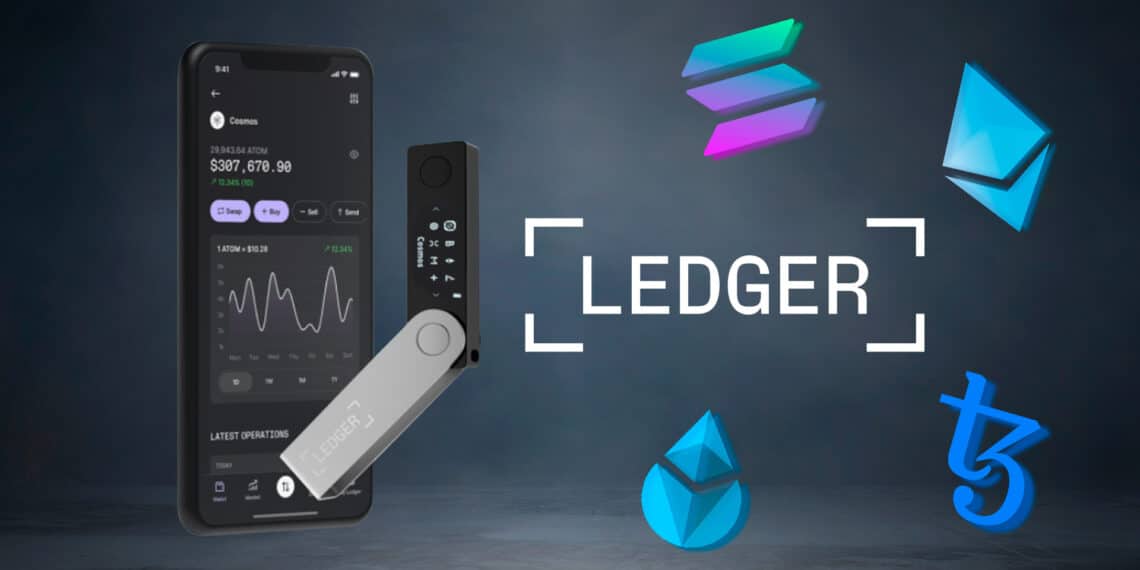
DeFi Integration: The Double-Edged Sword
DeFi is like the Wild West of finance right now. It’s exciting, complex, and honestly a little scary. The protocols are evolving so fast that hardware wallets have to keep up in real time. But that speed introduces risks.
Here’s what bugs me about some DeFi integrations. Many wallets still treat DeFi transactions like regular payments—just sending tokens. But DeFi isn’t just about sending tokens; it’s about interacting with smart contracts, which can do all kinds of things under the hood.
My first few interactions with DeFi through a hardware wallet were confusing. The transaction signing screens didn’t always show me what the smart contract was really going to do. I thought, “Is this normal? Or am I missing something?”
Turns out, it depends on both the wallet’s firmware and how well the companion app parses those transactions. That’s why I lean heavily on solutions that actively support DeFi, like the ledger Live software paired with Ledger’s hardware wallets. They break down complex contract calls into understandable chunks. Still, you gotta be sharp and never just approve blindly.
On top of that, hardware wallets are now adding features to support DeFi’s multi-step transactions. Like batching approvals or warning users about unlimited token allowances. These aren’t perfect yet, but they’re improving.
Of course, there’s a trade-off. Adding all this DeFi support means bigger firmware, more frequent updates, and sometimes more bugs. I’ve experienced a few hiccups where an update caused the device to freeze mid-approval. Not fun. But the development cycle is quick, and patches come fast.
One thing I’m keeping an eye on is how hardware wallets will handle the rise of Layer 2 solutions and cross-chain DeFi. That’s gonna add another layer of complexity to transaction signing because you might be approving transactions on multiple chains simultaneously.
Honestly, I’m not 100% sure how the industry will solve that elegantly, but I suspect firmware updates will be key. They’ll have to keep evolving to display multi-chain transaction details clearly without overwhelming users.
Why Firmware Updates Are Your Security Lifeline
Look, I get why some folks put off firmware updates. I mean, it’s a hassle. You gotta connect your device, close apps, wait for downloads… blah. But ignoring updates is like driving a car without brakes.
Remember when Ledger had that infamous vulnerability a while back? Firmware patches fixed that fast, but only for those who actually updated their devices. It’s a real-world example of why staying current matters.
Firmware updates don’t just patch bugs. They also optimize performance, improve user interface, and most importantly, enhance security protocols used in transaction signing. For instance, updates can improve how your device handles cryptographic operations or isolate sensitive processes better.
Initially, I thought firmware updates were mostly cosmetic or added features. Actually, wait—let me rephrase that—there’s a deep security foundation beneath those updates. Skipping them, even if your wallet seems fine, exposes you to risks you might not even be aware of.
And here’s a little secret: sometimes updates introduce new features that can actually simplify your life. Like better integration with DeFi apps or clearer transaction summaries. So, the hassle might pay off with smoother user experience.
Okay, so one more thing—I noticed many users don’t realize the importance of verifying the firmware update itself. Ledger, for example, signs their firmware releases cryptographically. That means your device checks that the update is legit before installing. If you download updates from shady places, you risk installing malicious firmware. So always use official sources like the ledger Live app.
To wrap this tangled thought (though I’m not really wrapping it up), transaction signing, DeFi integration, and firmware updates form this triad of crypto security that’s very very important. Missing one piece can unravel everything.
Yeah, it’s not foolproof. Hardware wallets can’t protect you from every phishing scam or social engineering attack. But with careful transaction signing practices and keeping firmware updated, you’re stacking the odds in your favor.
So, if you’re serious about securing your crypto in this wild DeFi world, don’t just buy a hardware wallet and forget it. Stay engaged, read those transaction details, and keep your device fresh with the latest firmware. Your future self will thank you.
Common Questions About Hardware Wallet Security
Why is transaction signing on hardware wallets safer than software wallets?
Because the private keys never leave the hardware device, transaction signing happens inside a secure environment, minimizing exposure to malware or hacks that could steal your keys on a computer or phone.
How often should I update my hardware wallet’s firmware?
As soon as updates are available and verified through official apps like ledger Live. Regular updates ensure you have the latest security patches and support for new crypto features.
Can I trust the transaction details shown on the hardware wallet screen?
Generally yes, but always double-check. Good hardware wallets display full transaction info, including contract calls and token approvals, so you’re not signing blindly. If in doubt, don’t approve.