
Chicken Crash : Quand la symétrie quantifie le langage
4 Marzo 2025Die 5 häufigsten Fragen zu Zahlungen im BillionaireSpin Casino
5 Marzo 2025So I was fiddling with my crypto holdings the other day, juggling tokens across Ethereum, Binance Smart Chain, and a couple of other networks—and wow, managing private keys felt like juggling flaming swords. Seriously, each chain demands a different wallet or some convoluted bridge. It’s messy. My gut said there’s gotta be a better way.
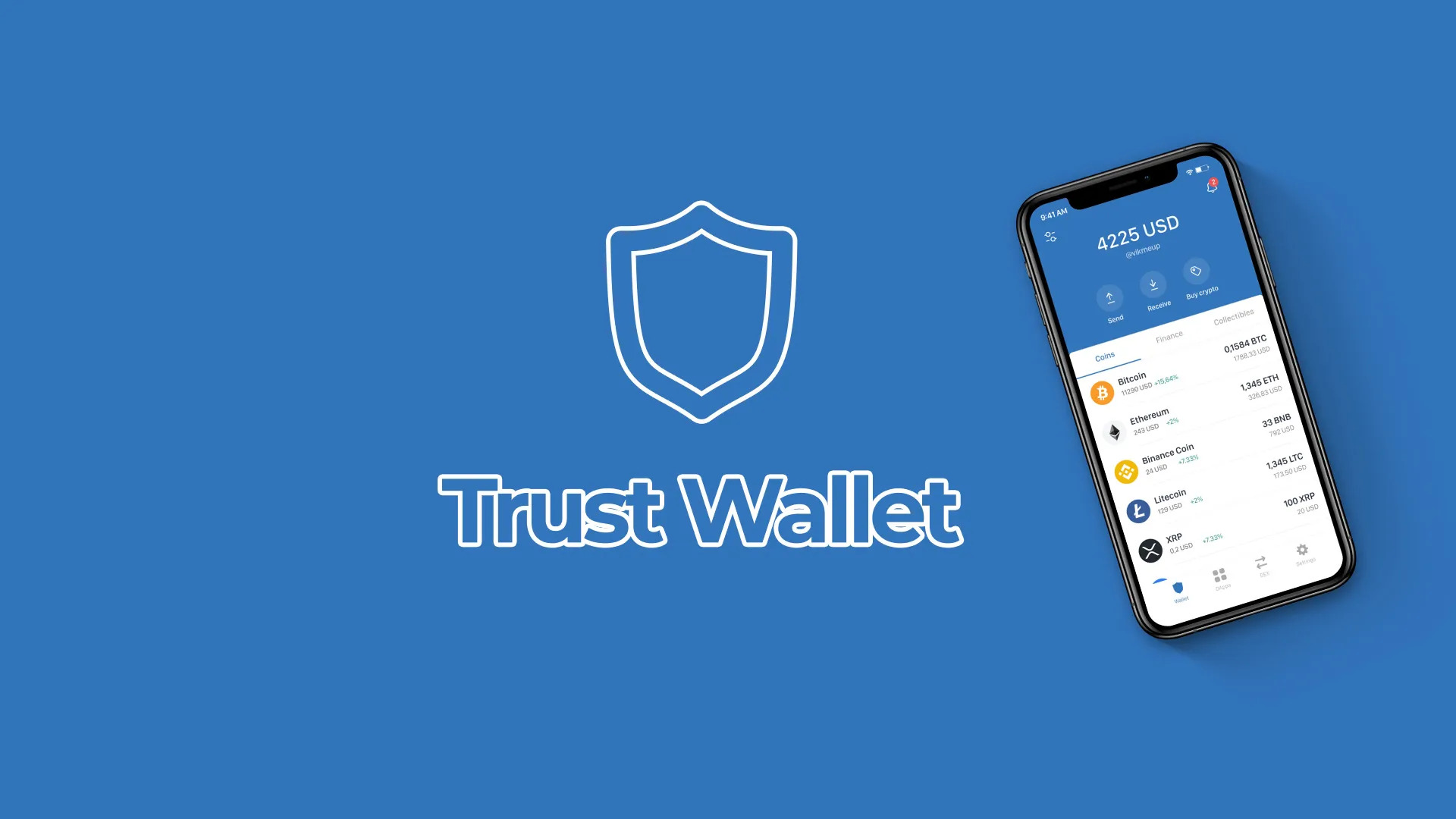
At first, I thought, okay, maybe one wallet to rule them all—that’s just a buzzword, right? But then I stumbled across this multi-chain wallet called the truts wallet, which promised native support across chains and a slick interface for NFTs. Hmm… sounded almost too good to be true.
Here’s the thing: private keys are the real deal in crypto. Lose them, and you lose everything. I’ve seen people panic because they kept their keys scattered or stored in unsafe ways. With multiple chains, the risk multiplies. So a wallet that can securely handle keys across chains without making you feel like you’re defusing a bomb is worth a closer look.
Anyway, I dove deeper. Why is multi-chain support such a big deal? Because it’s not just about convenience—it’s about security, flexibility, and future-proofing your assets. But the tricky part is how these wallets manage private keys internally without exposing users to extra risks.
Wow! Managing NFTs across chains is a whole other beast. Transferring an NFT isn’t like sending a token; it’s a unique asset with metadata, provenance, and sometimes royalties baked in. You want a wallet that treats NFTs with the respect they deserve, not just lumping them with fungible tokens. That’s where wallets like truts wallet shine, offering native NFT support with smooth browsing and management.
Okay, so check this out—most multi-chain wallets either rely on centralized servers or complex smart contract wallets to manage keys. The former makes me uneasy, the latter can be slow or expensive. The trick is how to keep private keys locally, encrypted, and accessible across chains without sacrificing speed or security.
Initially, I thought hardware wallets were the only safe bet. But then I realized—wait, multi-chain software wallets have gotten leaps ahead, especially those that integrate with hardware wallets or use secure enclaves in your device. The truts wallet reportedly uses some hybrid approach that balances usability with security, though I’m not 100% sure on the tech specifics.
Something felt off about the typical “one wallet per chain” mindset. On one hand, it simplifies risk management—if one wallet’s compromised, the others remain safe. Though actually, juggling multiple wallets increases user error risks. People forget passwords or lose devices. So, a trusted multi-chain wallet that centralizes key management but keeps security tight is a game-changer.
And here’s a little tangent: I’m biased, but the US crypto scene is hungry for wallets that combine top-notch security with user-friendly design. Many wallets out there seem to cater either to hardcore techies or newbies, missing the middle ground where most users live. Truts wallet kinda feels like it’s aiming for that sweet spot.
Back to NFTs—cross-chain NFT swaps and management is still in its infancy. Interoperability protocols are clunky, and often you have to trust bridges that have been hacked before. So a wallet that natively supports multiple chains and lets you see all your NFTs in one place without jumping through hoops is refreshing.
Actually, wait—let me rephrase that. It’s not just about viewing NFTs; it’s about interacting with them, staking, auctioning, or using them in metaverse apps seamlessly. That’s a tall order, but wallets like truts wallet seem to be pushing in that direction, which is pretty cool.
Here’s what bugs me about many multi-chain wallets: they sometimes sacrifice decentralization or trust assumptions to simplify UX. You get ‘convenience,’ but at what cost? For me, a wallet that keeps your private keys private—no servers holding your secrets—is non-negotiable.
On the other hand, some wallets try to do everything on-chain, making key recovery and management a nightmare if you lose access. That’s where a well-designed multi-chain wallet, with secure local key storage and optional backup solutions, hits the sweet spot.
My instinct said this balance is hard to strike. But the more I looked into wallets like truts wallet, the more I saw thoughtful design choices that attempt this very balance.
Let me tell you a quick story: A friend of mine lost access to a multi-chain wallet because he forgot his seed phrase, and the wallet didn’t have a smooth recovery mechanism. It was a nightmare. He lost a substantial NFT collection and some tokens. That incident really opened my eyes to how crucial backup and recovery features are, especially in multi-chain scenarios.
So, when evaluating wallets, I now drill into how they handle private keys, what recovery options exist, and how they support NFTs across chains. Not all wallets are created equal, and that’s an understatement.
Wow! It’s wild how fast the space is evolving. A multi-chain wallet used to be a niche tool; now it’s becoming essential, especially for power users juggling assets on Ethereum, Solana, Polygon, and more.
By the way, I’m not endorsing truts wallet blindly. There are plenty of competitors, each with pros and cons. But from what I’ve seen, their approach to multi-chain private key security combined with NFT support is worth checking out if you’re serious about managing diverse digital assets.
Okay, so here’s a question that’s been nagging me: How do these wallets maintain privacy while syncing across chains? Some rely heavily on cloud backup, which makes me nervous. Others encrypt everything locally but then require complex user actions for recovery.
And speaking of privacy, many users underestimate how exposing your wallet addresses across chains can make you a target for phishing or scams. A multi-chain wallet that obfuscates or compartmentalizes your activity can add a layer of security that’s often overlooked.
I’m still figuring out the full picture, but I gotta say, wallets like truts wallet seem to be moving in the right direction, blending usability with serious security measures that respect user privacy.
At the end of the day, managing private keys across multiple chains is a balancing act—security, convenience, and control. If you’re dabbling in NFTs and tokens on different networks, having a single, trustworthy interface to handle it all can save you headaches. Just remember, no wallet is a silver bullet; education and caution remain your best friends.
So, yeah, multi-chain wallets aren’t just a fad—they’re becoming a necessity. And the ones that get this right, like truts wallet, could very well be the future of how we manage crypto securely and effortlessly.
Anyway, that’s my two cents. I’m curious—what’s your experience been like juggling multiple wallets or NFTs? Feel free to drop your thoughts, because honestly, this space is moving fast and it’s easy to miss the nuances.