
L’impossibilità di conoscere posizione e momento: tra fisica e gioco
10 Novembre 2024How Data Sampling and Testing Ensure Freshness of Frozen Fruit
13 Novembre 2024Ever get that uneasy feeling when fiddling with crypto wallets? Yeah, me too. Something felt off about how often people treat private keys like some magical cryptic mumbo jumbo. But honestly, it’s just a string of characters — powerful, yes, but manageable once you break it down. The Solana blockchain, with its speedy transactions and low fees, is catching on fast, especially for SPL tokens and NFTs. Yet, the devil’s always in the details—your private key handling can make or break your entire experience.
Okay, so check this out—private keys are your gateway. Lose them, and you lose access; expose them, and you invite trouble. But here’s the kicker: not all wallets handle keys the same way, and that’s where user experience meets hardcore security.
Now, I’ll be honest, at first I thought any wallet would do, as long as it connected to Solana. But then I got tangled in some messy key management issues—like accidentally exposing seed phrases while trying to import accounts—and that was a wake-up call. On one hand, you want convenience; on the other, paranoia creeps in when you realize how many people have lost millions by mishandling keys.
Really? Yeah, seriously. Even seasoned crypto folks trip up. Why? Because the interface between human and blockchain is still kind of… primitive. But the good news is, wallets like the phantom wallet extension are leveling that playing field.
Here’s the thing. Phantom isn’t just another wallet—it’s a glimpse at how usability and security can coexist. It manages private keys locally, never sending them to servers, while making SPL tokens easy to handle. This balance is critical, especially if you’re dipping toes into DeFi or NFTs on Solana.
Speaking of SPL tokens, they’re basically Solana’s version of Ethereum’s ERC-20 tokens, but optimized for high throughput. That’s why you see so many projects choosing Solana for their tokens—fast, cheap, and scalable. But if your wallet doesn’t support SPL tokens natively, you’re missing out on a ton of ecosystem magic.
At first glance, some wallets claim SPL token support but require manual configurations or complex CLI commands, which can be a nightmare for new users. Actually, wait—let me rephrase that—it’s not just about support but seamless integration. Phantom nails this by listing SPL tokens automatically and allowing easy transfers. It’s like the wallet *gets* what you want without you having to jump through hoops.
Hmm… my gut says that the real hurdle for many is understanding how private keys tie into all this. You see, private keys control your wallet addresses, which hold your SPL tokens and NFTs. If you don’t protect those keys, you’re basically handing over your digital assets. But if you go too paranoid, you might never actually use your funds because you’re afraid to interact with anything.
One weird thing I noticed is how people often mix up seed phrases and private keys. Seed phrases are like a master password that generates all your private keys, and losing that phrase is far worse than losing a single key. Phantom’s approach of encrypting your seed phrase locally and prompting you to back it up is smart—it nudges users gently without being obnoxious.
Check this out—
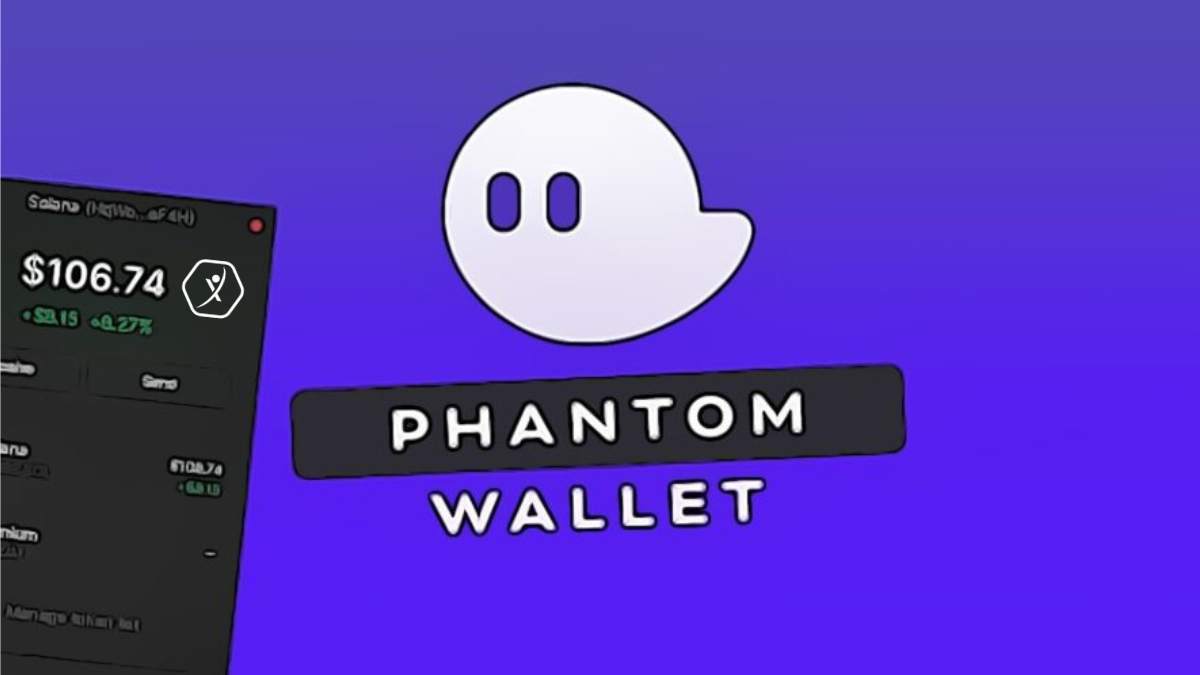
Now, here’s where it gets interesting. NFTs on Solana are also SPL tokens but with unique metadata. If your wallet can handle SPL tokens well, NFTs become just another asset class. Phantom’s interface lets you view and manage NFTs alongside tokens without switching apps. This is a huge deal because juggling multiple wallets or plugins can get messy very very fast.
On the flip side, some wallets store private keys on centralized servers or require seed phrase exports, which can lead to vulnerabilities. Phantom avoids this trap by keeping control firmly in your hands. But, I’ll admit, if you lose your device and haven’t backed up your seed phrase properly, you’re out of luck. No wallet can save you from that.
Something about this whole experience bugs me, though. The crypto space often talks about decentralization and user sovereignty, but many users still rely heavily on extensions and apps that can be compromised. I’m biased, but the phantom wallet extension strikes a nice balance—it’s user-friendly without sacrificing too much on security.
Here’s another layer—Solana’s blockchain speed can tempt users to rush transactions, sometimes ignoring security steps like verifying recipient addresses. I’ve seen friends almost send tokens to wrong accounts because they clicked too fast. Phantom helps mitigate this by showing clear warnings and transaction details, though it’s no substitute for personal vigilance.
So, where does that leave us? Well, private keys remain the heart of wallet security, SPL tokens are the lifeblood of the Solana ecosystem, and your wallet—the interface between you and the chain—needs to be both intuitive and reliable. Phantom’s extension has been a game-changer in my personal workflow, especially when juggling multiple token types and NFTs.
But hey, I’m not 100% sure this wallet is perfect for everyone. Some hardcore users prefer hardware wallets for extra security, even if it means sacrificing some convenience. Others might want multi-signature options or advanced DeFi integrations that Phantom doesn’t fully cover yet. Still, for most Solana users dipping toes in DeFi or NFT waters, it’s a solid choice.
Anyway, if you’re curious or ready to take that plunge, definitely give the phantom wallet extension a spin. It’s not flawless, but it’s probably the best blend of ease and security I’ve seen on Solana so far. Just don’t forget—your private keys are your lifeline. Guard ‘em like your grandma’s secret recipe.